Winter Pool Care Wollongong: Protecting Your Fibreglass Pool
Cooler weather doesn't mean neglecting your pool. Here's how to balance the water, set your pump schedule, and use a cover to keep your fibreglass pool healthy through a Wollongong winter — and make reopening easy.
Quick Answer: Winterising a Fibreglass Pool
Don't shut the pool down completely — adapt your routine. Keep the water balanced (test every two weeks, and sooner after storms), reduce the pump to turn the water over once every 24 hours, and add a cover to cut debris and chemical loss. Never drain a fibreglass pool for winter — an empty shell can shift under ground-water pressure.
Stay on top of circulation and chemistry and you'll avoid the two big winter problems: algae and equipment damage from leaks or contracting seals. A little attention now means an easy, sparkling reopening in spring.
Thinking about a durable, low-maintenance fibreglass pool? Integrity Pools has designed and installed pools across the Illawarra for over 35 years. Call 0401 157 172 or request a free quote.
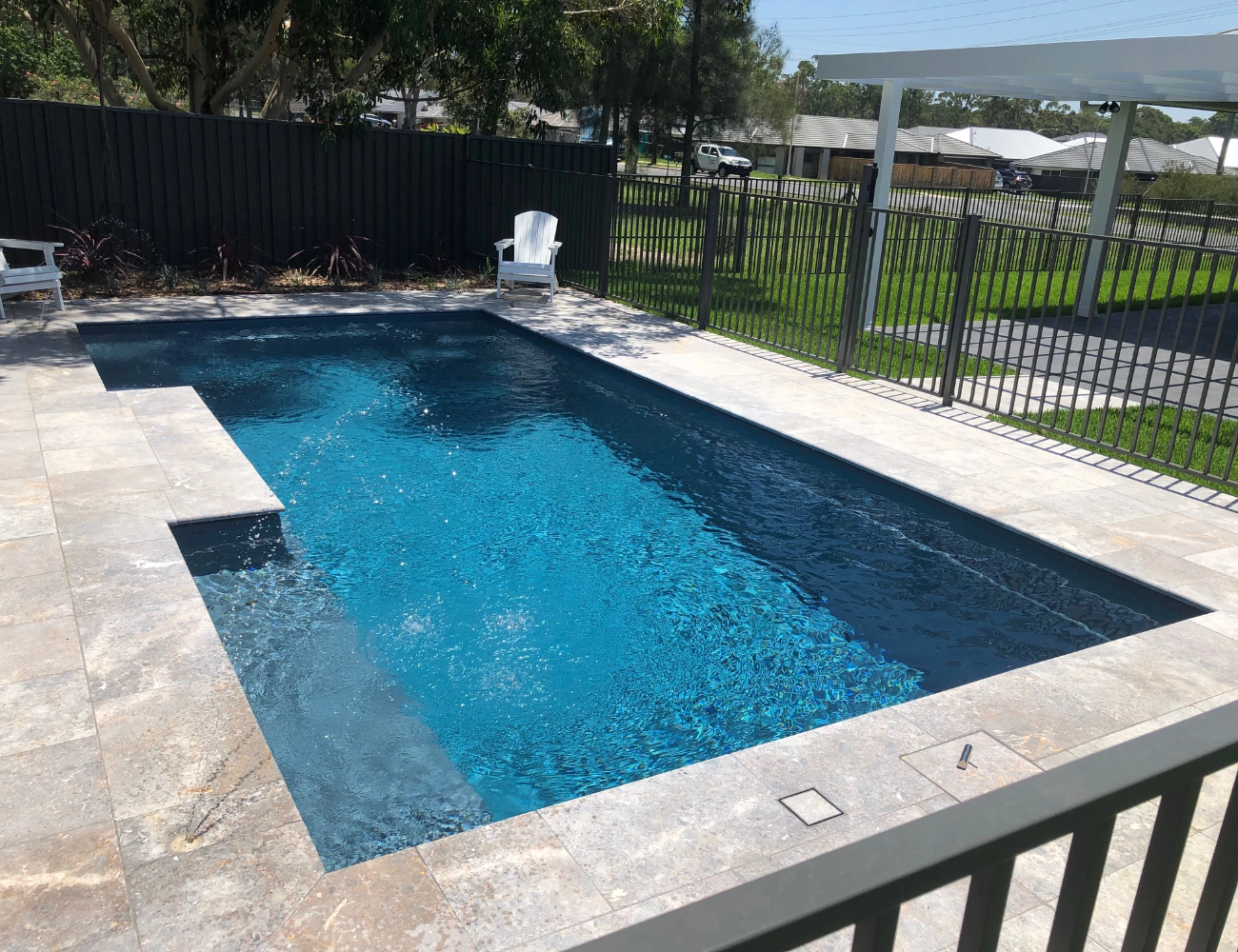
Winter in Wollongong brings cooler temperatures, more rain, and far less swimming. For fibreglass pool owners, that's no reason to neglect the pool. With the right winter care, you can protect your investment and make reopening next summer much easier. Fibreglass pools are durable and low-maintenance, but they still need attention through the colder months. This guide covers the practical steps that suit the Illawarra climate — adapting your routine rather than stopping it.
Why Wollongong's Winter Demands Special Pool Care
Wollongong winters are mild compared with inland areas, but they bring consistent rainfall, cooler air, and reduced sunlight. These conditions can upset your pool's chemical balance and encourage algae if left unchecked. Pools that aren't used regularly can become stagnant, and debris from winter storms can clog filters. The key is to adapt your regular maintenance routine — keep the water moving and balanced rather than walking away from it for three months.
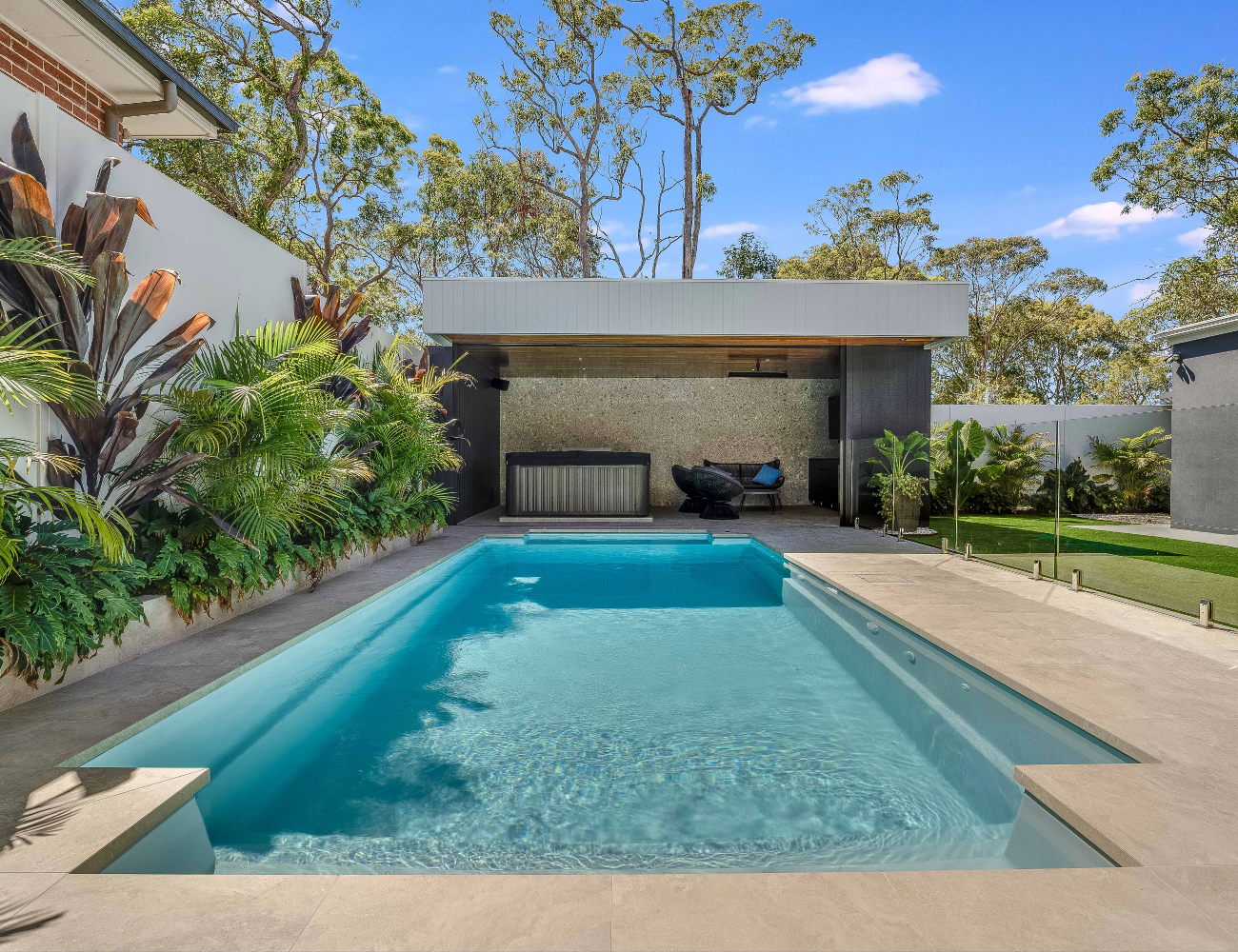
Key Steps for Winterising Your Fibreglass Pool
Balance the water chemistry
Even when you're not swimming, balanced water prevents scale build-up, corrosion, and algae. Cooler water slows chemical reactions, but pH, alkalinity, and sanitiser still need monitoring — test at least every two weeks, and sooner after heavy rain. See our pool water chemistry guide for ideal ranges.
Adjust pump and filtration schedules
Running the pump fewer hours a day in winter is normal — the exact reduction depends on pool size, pump type, and weather. A good rule is to run it long enough to turn the water over once every 24 hours. Don't stop circulation entirely, or the water can stagnate.
Lower the water level only if needed
If heavy rain threatens to overflow the pool, lowering the level slightly can help. But never empty a fibreglass pool — the shell is far less tolerant of being drained than concrete and can shift under ground-water pressure. When in doubt, ask your pool builder.
Use a pool cover
A pool blanket or safety cover reduces debris, slows evaporation and chemical loss, and retains some heat if you still swim occasionally. With a cover on, you must still run the pump periodically and check the water chemistry to keep it healthy.

Common Winter Pool Problems and How to Avoid Them
Algae Growth
Reduced sunlight doesn't stop algae, especially when circulation is poor. Stagnant, cool water with low sanitiser is the perfect breeding ground. Your best defences are simple: keep the pump turning the water over daily, maintain your chlorine level, and brush the walls every couple of weeks. Catching a faint green tinge early is far easier than recovering a fully green pool.
Equipment Damage
Cold weather can cause seals and gaskets to contract, which leads to small leaks around the pump and filter. Check your equipment periodically through winter for drips or damp patches, keep the pump primed and running on its reduced schedule, and clear leaves from the skimmer and pump baskets so nothing strains the system.
Chemical Swings After Storms
Heavy Illawarra rain dilutes your water and washes in contaminants, which can throw off pH and sanitiser overnight. After any significant storm, test the water sooner than your normal fortnightly check and rebalance as needed.
Swimming Through Winter
Plenty of Wollongong pool owners swim year-round thanks to solar heating or a heat pump, paired with a blanket to hold the warmth in overnight. If you plan to keep swimming, maintain your normal water chemistry rather than a reduced winter routine, and run the pump for longer to keep the water clean and clear. To weigh up your options, read our guide to energy-efficient pool heating in the Illawarra.
Frequently Asked Questions
Do I need to run my pool pump in winter?
Yes, but you can usually reduce the run time. A shorter daily cycle helps prevent stagnant water and keeps the chemical balance stable. As a general rule, run the pump long enough to turn the water over once every 24 hours, and adjust based on your pool size, pump type, and the weather.
Should I cover my fibreglass pool in winter?
Covering your pool is optional but helpful. A cover reduces debris, slows chemical loss, and can retain some heat if you wish to swim occasionally. Make sure the cover is secure, and continue to run the pump periodically and check the water chemistry to avoid water quality issues.
How often should I test my pool water in winter?
Testing every two weeks is a reasonable starting point in winter, because cooler water slows chemical reactions. However, after heavy rain or storms in the Wollongong area, check the water sooner, as rainfall can dilute chemicals and introduce contaminants.
Can I still swim in my pool during winter in Wollongong?
Yes, many fibreglass pool owners in Wollongong swim through winter if they have solar heating or a heat pump. If you plan to swim, maintain normal water chemistry and run the pump for longer to keep the water clean and clear.
Do fibreglass pools need to be drained for winter?
No. Fibreglass pools should not be drained for winter, as an empty shell can shift or lift under ground-water pressure. Instead, keep the water balanced, run the pump on a reduced schedule, and use a cover if you wish. If you are concerned about overflow from heavy rain, lower the level slightly rather than draining.
Related Reading & Next Steps
Related Articles
Explore Our Services
Planning a New Fibreglass Pool for Next Summer?
Free site assessment. Comprehensive written quote. Lifetime structural warranty and finance through Handypay. Designing and installing fibreglass pools across Wollongong and the Illawarra for over 35 years.