Pool Water Chemistry: A Simple Guide for NSW Pool Owners
pH, chlorine, alkalinity, calcium hardness, and stabiliser — what each one does, the ideal ranges, and a simple step-by-step way to keep your water crystal-clear all season.
Quick Answer: Ideal Pool Water Levels
Balanced water keeps your pool safe, comfortable, and easy to look after. Test weekly and aim for these target ranges:
- pH: 7.2 – 7.6 (ideal 7.4)
- Total alkalinity: 80 – 120 ppm
- Free chlorine: 1 – 3 ppm
- Calcium hardness: 180 – 220 ppm (fibreglass)
- Cyanuric acid (stabiliser): 30 – 50 ppm
Always balance in order — alkalinity first, then pH, then calcium hardness, then sanitiser and stabiliser. Want a low-maintenance fibreglass pool installed by a local team with over 35 years of experience? Call Integrity Pools on 0401 157 172 or request a free quote.
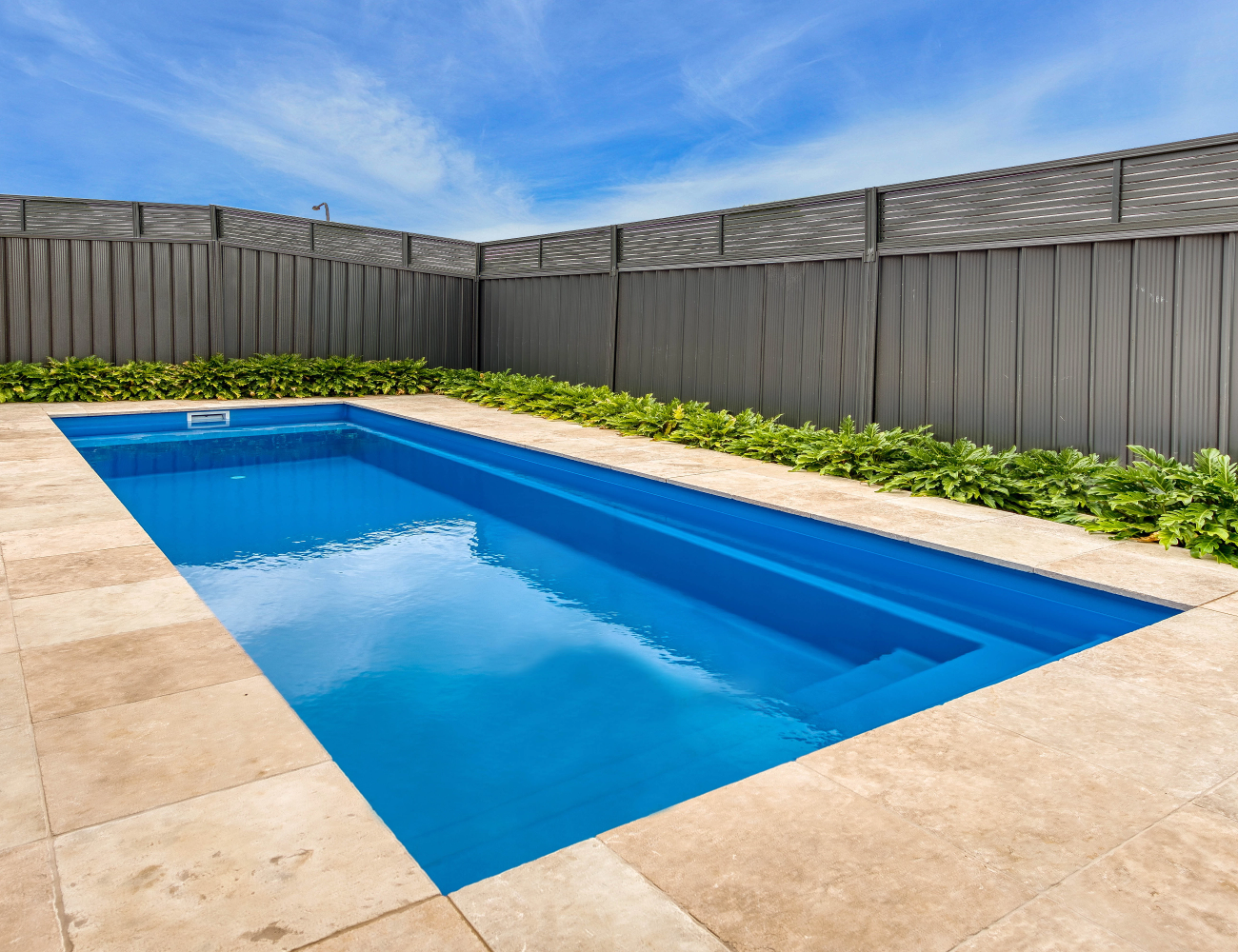
Keeping your swimming pool water balanced is one of the most important tasks you will face as a pool owner. Proper chemistry keeps the water clean, safe, and comfortable for everyone who swims, and it protects your pool equipment and surfaces from damage over time. For homeowners across the Illawarra, Shoalhaven, and wider South Coast of NSW, understanding the basics of pool water chemistry makes routine maintenance much simpler.
This guide walks through the essential parameters — pH, chlorine, alkalinity, calcium hardness, and cyanuric acid. You will learn what each one does, why it matters, and how regular testing and balancing help you enjoy a crystal-clear pool all season long.
Why Balanced Pool Water Matters
Balanced pool water is the foundation of a healthy swimming environment. When your chemistry is correct, sanitisers like chlorine work more effectively, algae and bacteria have less chance to grow, and the water feels pleasant on your skin. Unbalanced water can cause cloudy or green water, irritated eyes and skin, and even damage to your pool's surfaces and filtration system.
The good news is that proper pool chemistry is easy once you understand the basics. A solid grasp of the core chemical levels helps you maintain a clean, healthy pool with less frustration and fewer unexpected problems — and the first step is simply learning what to look for.
The Key Chemical Parameters
There are five chemical levels to monitor and adjust regularly. Each plays a specific role in water quality and sanitation. Here is a quick reference, followed by what each one does.
| Parameter | Ideal Range | Role |
|---|---|---|
| pH | 7.2 – 7.6 (ideal 7.4) | Comfort and chlorine effectiveness |
| Total Alkalinity | 80 – 120 ppm | Buffers and stabilises pH |
| Free Chlorine | 1 – 3 ppm | Sanitises the water |
| Calcium Hardness | 180 – 220 ppm | Protects surfaces from etching and scaling |
| Cyanuric Acid | 30 – 50 ppm | Protects chlorine from the sun |
pH Level
The pH level measures how acidic or alkaline your water is. The recommended range is 7.2 to 7.6, with the ideal around 7.4 — interestingly, the same pH as human tears, which is why balanced water is comfortable for your eyes. When pH is too low, the water becomes corrosive and can damage surfaces and equipment. When pH is too high, chlorine becomes far less effective and scaling can form.
Total Alkalinity
Total alkalinity acts as a buffer for your pH, preventing the rapid swings that make balancing difficult. If alkalinity is out of range, your pH will be unstable and hard to hold in the ideal zone. The typical target for a fibreglass pool is around 80 to 120 ppm — always check your manufacturer's recommendations.
Free Chlorine
Free chlorine is the primary sanitiser for most pools, killing bacteria, viruses, and algae. Too little leaves the pool vulnerable to contamination; too much causes odours and skin irritation. For a standard chlorine pool, aim for 1 to 3 ppm.
Calcium Hardness
Calcium hardness is the amount of dissolved calcium in your water. Low levels make the water aggressive, leaching calcium from surfaces and causing etching or pitting. High levels cause scaling and cloudy water. The ideal range for fibreglass pools is generally lower than for concrete, so check with your pool builder.
Cyanuric Acid (Stabiliser)
Cyanuric acid, often called stabiliser or conditioner, protects chlorine from being broken down by the sun's UV rays — important during our bright NSW summers. Without enough, chlorine drops rapidly on sunny days. Too much, however, reduces chlorine's effectiveness (a condition known as chlorine lock). Aim for 30 to 50 ppm.
Testing Your Pool Water
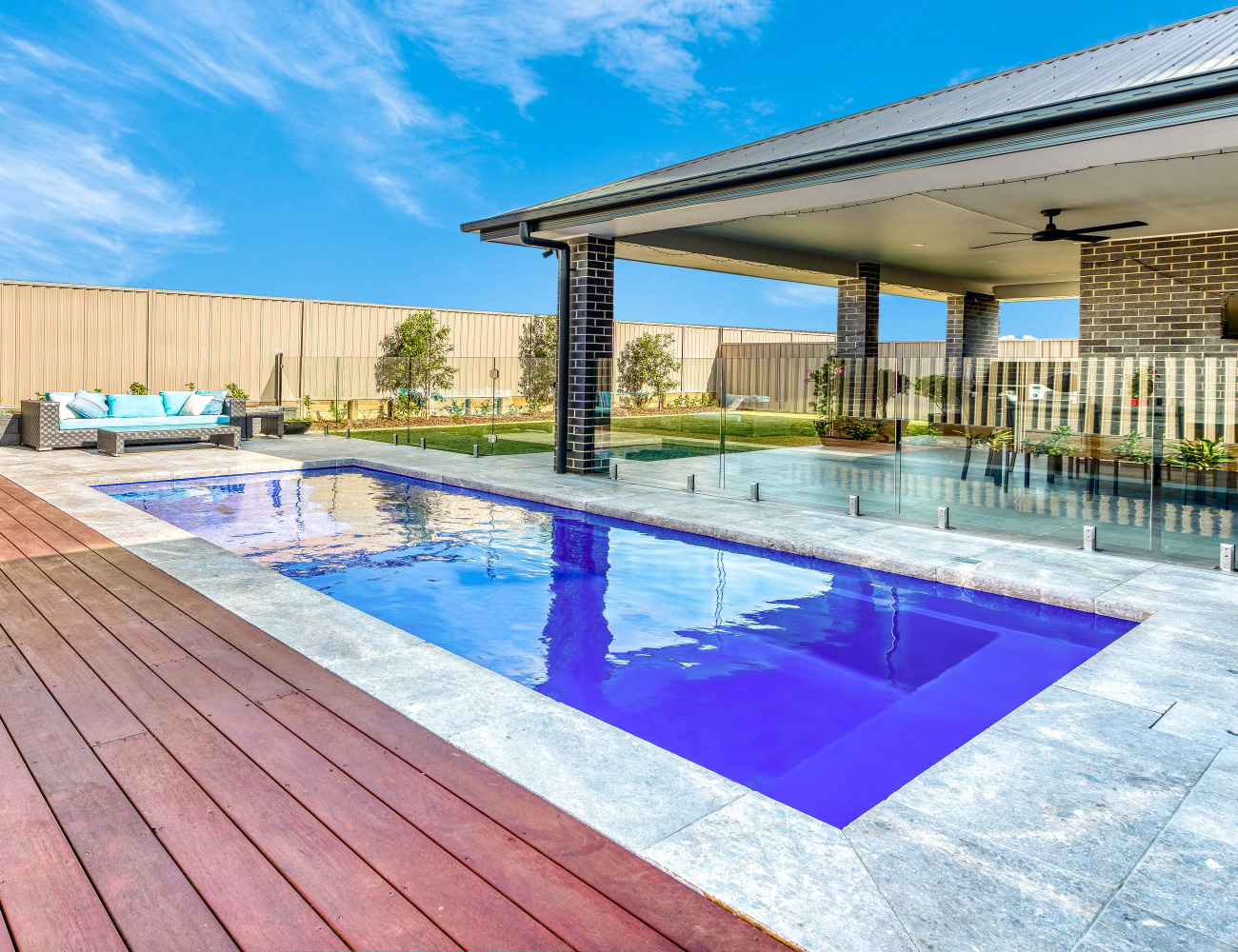
Regular testing is the only way to know what your water needs. You can use test strips, a liquid test kit, or take a water sample to a pool shop for analysis. Test at least once a week during the swimming season, and more often after heavy use, rain, or extreme heat. Starting your maintenance routine with an accurate test sets you up for easy adjustments.
When testing, follow the instructions carefully and use fresh reagents that have not expired. Record your results so you can track changes over time — this helps you spot trends and adjust before small problems become large ones.
Balancing Each Level Step by Step
Once you have your results, adjust one parameter at a time, in this order: total alkalinity, then pH, then calcium hardness, and finally sanitiser and cyanuric acid. Working in sequence stops a change to one level from throwing another out of range.
Adjust total alkalinity
Raise low alkalinity with an alkalinity increaser (sodium bicarbonate). Lower high alkalinity slowly with a pH decreaser or muriatic acid. Retest after the water has circulated for several hours.
Adjust pH
Raise pH with a pH increaser (sodium carbonate); lower it with a pH decreaser or muriatic acid. Add small amounts, let the water circulate, and retest before adding more. Aim for 7.4.
Adjust calcium hardness
Raise low calcium with a calcium increaser. If it is too high, partially drain and refill with lower-calcium water — high hardness is hard to correct without dilution.
Adjust free chlorine & cyanuric acid
Raise free chlorine with liquid, granular, or tablet chlorine; lower it by letting the sun burn it off or using a neutraliser. Use a stabiliser product to lift cyanuric acid, or dilute the water to reduce it.
Choosing the Right Sanitiser System
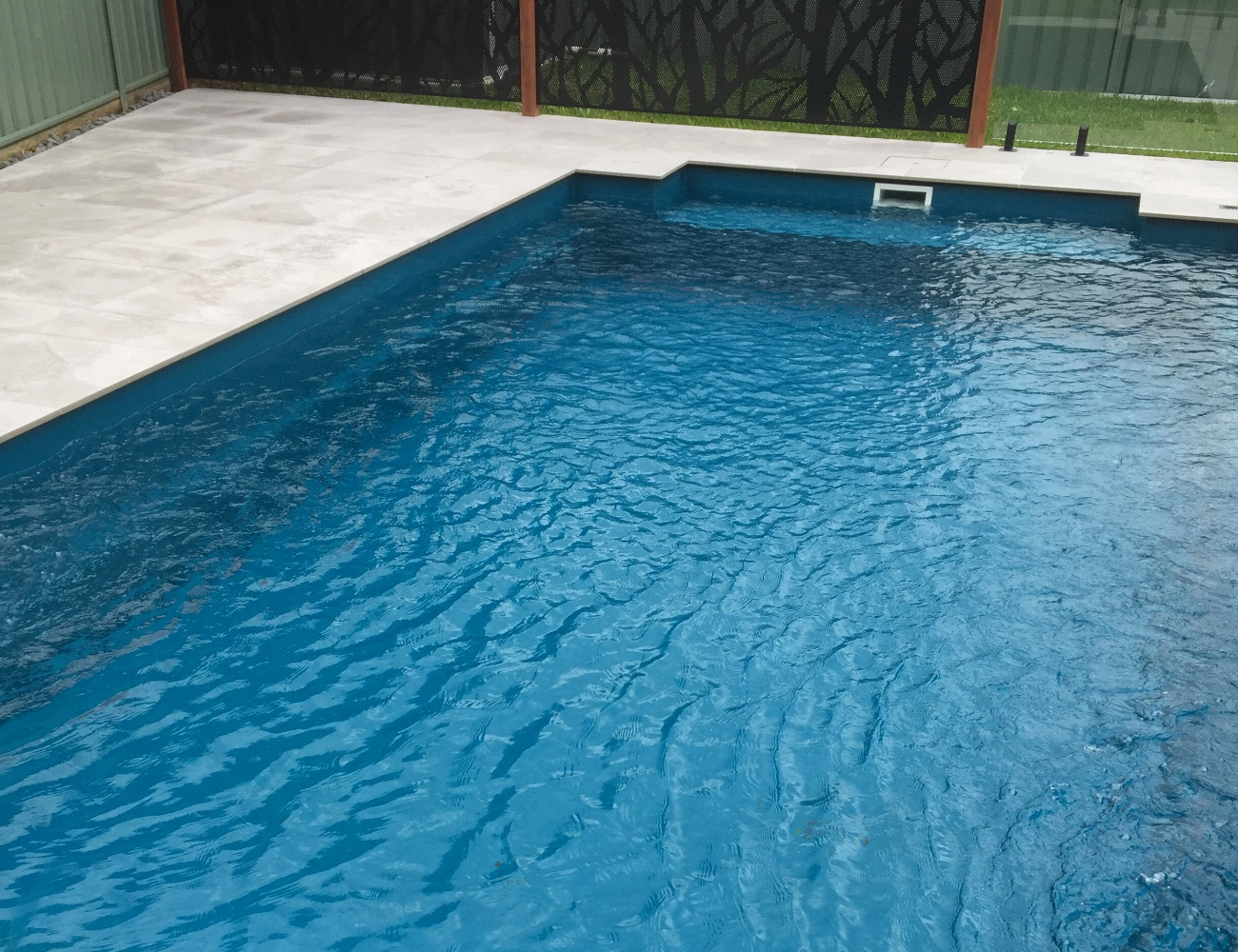
There are different ways to sanitise a pool, including traditional chlorine, saltwater chlorinators, and other systems — each with its own chemistry considerations. A saltwater pool, for example, still produces chlorine through electrolysis, so you continue to monitor free chlorine, pH, and stabiliser levels.
Whichever system you choose, the principles of balanced water remain the same: regular testing and adjustment are essential, and you should always follow the manufacturer's instructions for your equipment and products. To learn more about your options, see our guide to saltwater pools.
Tips for NSW Pool Owners
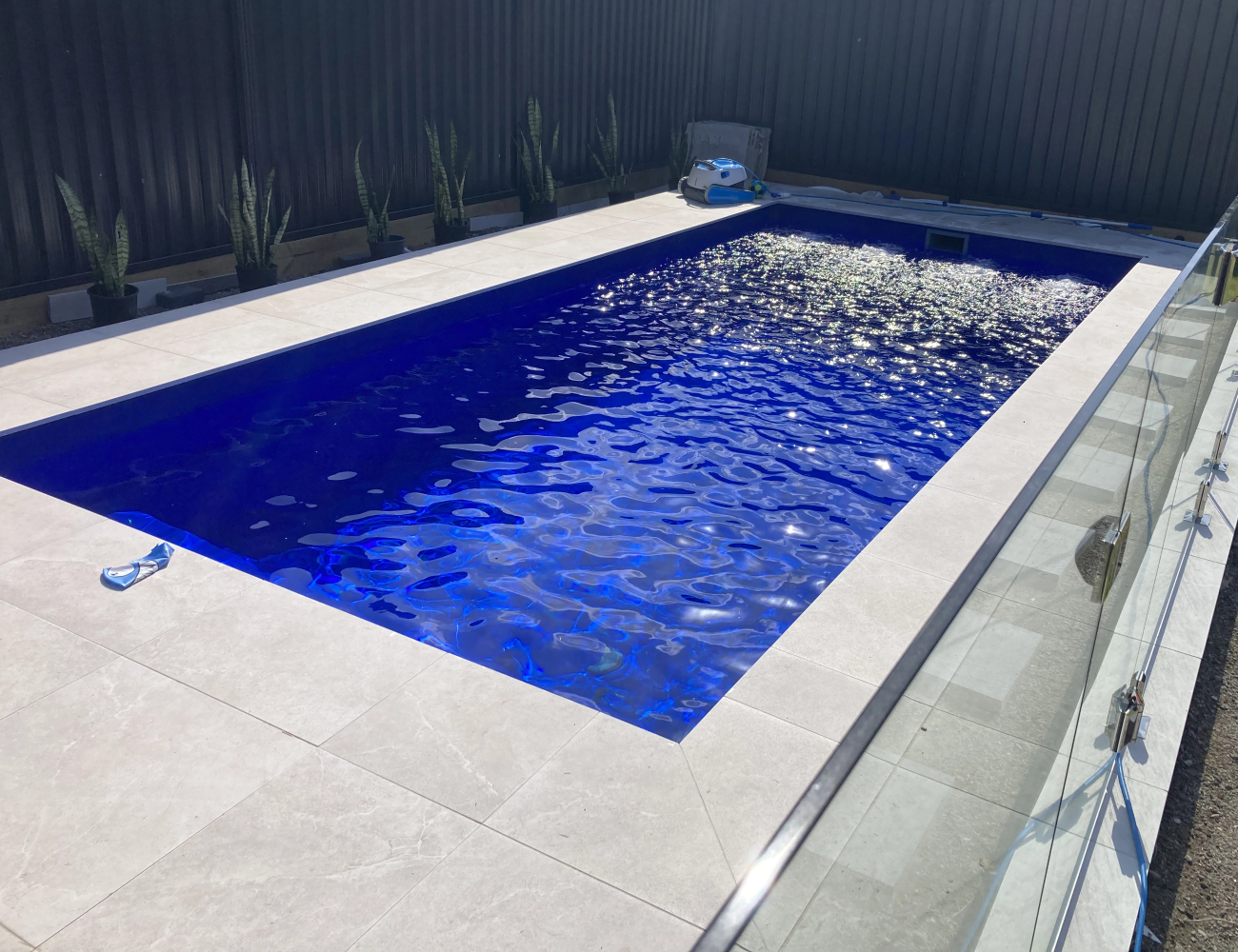
Living in the Illawarra, Shoalhaven, or wider South Coast means your pool faces a specific climate. Hot summers, coastal salt air, and occasional heavy rain all affect your water chemistry. After a storm, test and adjust your water, as rain dilutes chemicals and introduces contaminants. During heatwaves, chlorine drops faster due to stronger sunlight and higher swimmer loads, so test more frequently.
If you have a fibreglass pool, keeping your chemistry in range is especially important — fibreglass surfaces are more sensitive to extreme pH or chemical imbalances than concrete. A consistent routine and quality products protect your investment and keep it looking great for years. When you are unsure about any aspect of pool chemistry, ask for professional advice; many pool shops offer free water testing, and your manufacturer's guide will help keep your warranty valid.
Frequently Asked Questions
How often should I test my pool water?
You should test your pool water at least once a week during the swimming season. More frequent testing is recommended after heavy rain, hot weather, or periods of heavy use. Regular testing helps you catch imbalances early and keep your water safe and clear.
Can I use the same chemicals for a fibreglass pool as a concrete pool?
Many basic pool chemicals are suitable for both fibreglass and concrete pools, but dosage and target ranges may differ. Fibreglass pools are more sensitive to certain chemicals, so it is important to follow your pool manufacturer's recommendations. Always check labels and consult your pool builder if you are unsure.
What should I do if my pool water turns green?
Green water usually indicates an algae bloom, often caused by low chlorine or poor water balance. Start by testing the water and adjusting pH and alkalinity to the correct ranges. Then shock the pool with a strong dose of chlorine and run the filter continuously until the water clears. You may also need to use an algaecide and brush the pool surfaces.
Is it safe to swim immediately after adding chemicals?
Most pool chemicals require time to circulate and disperse before it is safe to swim. The waiting period varies by product, but a general rule is to wait at least 15 to 30 minutes after adding liquid chemicals and up to several hours after shocking. Always read the product label for specific safety instructions.
Why does my pool smell like chlorine even though I added enough?
A strong chlorine smell is not a sign of too much chlorine. It usually indicates chloramines, which form when chlorine reacts with contaminants like sweat, sunscreen, or other organics. The smell means the chlorine is working but is being used up quickly. Shocking the pool can break down chloramines and reduce the odour.
Related Reading & Next Steps
Related Articles
Explore Our Services
Thinking About a New Fibreglass Pool?
Free site assessment. Comprehensive written quote. Lifetime structural warranty and finance through Handypay. Serving Wollongong, the Illawarra, and the Shoalhaven for over 35 years.