Why Is My Pool Green? How to Clear & Prevent Algae in Your Nowra Fibreglass Pool
Woke up to a green pool? Here's the step-by-step way to get it crystal clear again — and keep algae from coming back through the Shoalhaven summer.
Quick Answer: How to Clear a Green Pool
Green water means algae, and algae means low chlorine. To clear it: test and balance the water (pH 7.2–7.6, alkalinity 80–120 ppm), shock the pool with a strong dose of chlorine, run the filter continuously, and brush the walls and floor. Repeat until the water turns from green to cloudy to clear.
Most light blooms clear in 2–5 days. To stop it returning, keep free chlorine at 1–3 ppm, run the pump long enough to turn the water over daily, and test at least twice a week in summer.
Want a durable, low-maintenance fibreglass pool that's easier to keep clear? Call Integrity Pools on 0401 157 172 or request a free quote.
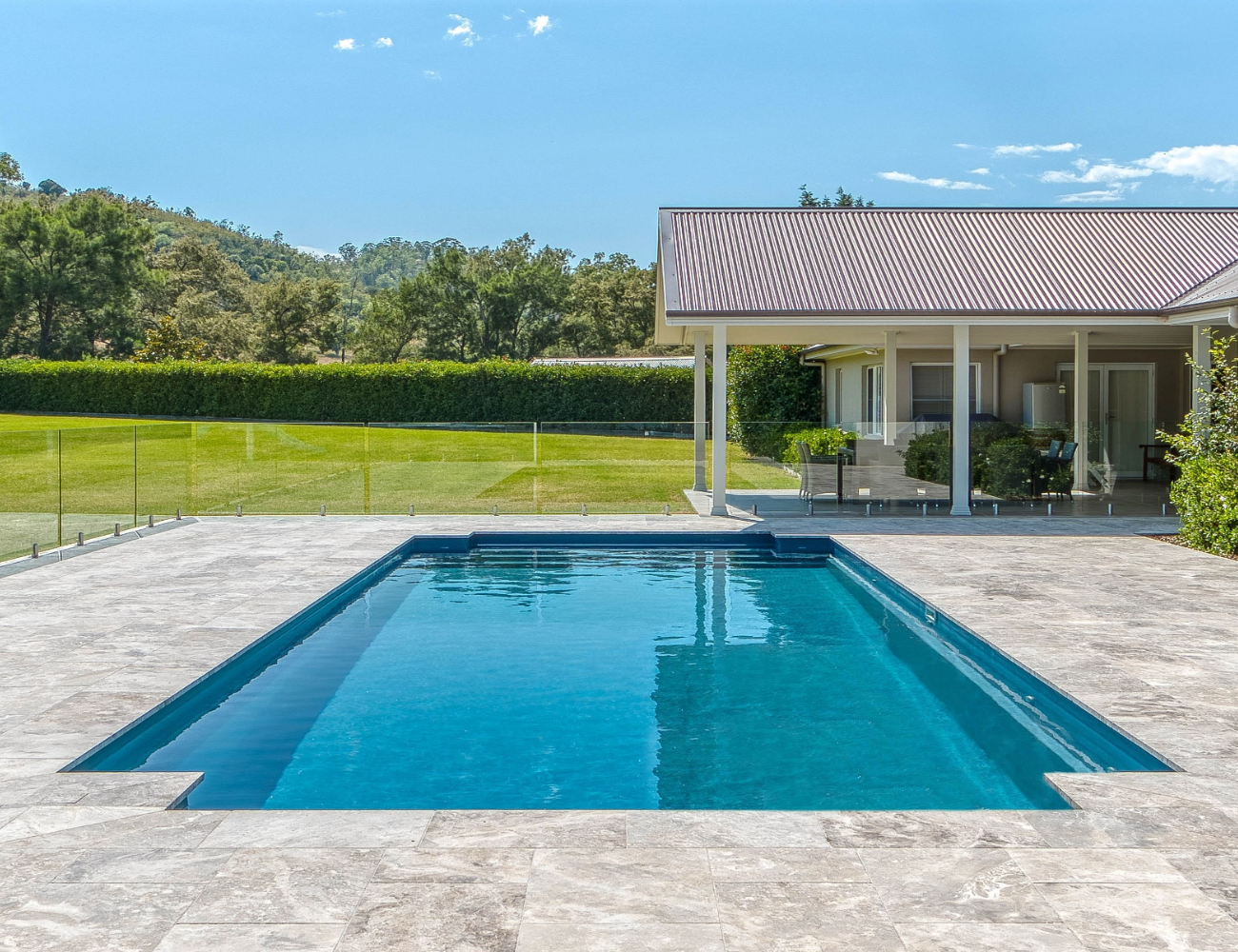
A green pool is one of the most common problems Shoalhaven homeowners face, and it almost always strikes at the worst time — a hot weekend when you want to swim. The good news is that fibreglass pools are quick to clear because their smooth, non-porous surface gives algae nowhere to root. This guide walks you through exactly why your pool turned green, how to clear it step by step, and how to keep it from happening again. For day-to-day upkeep, pair it with our Nowra pool maintenance guide.
Why Does a Pool Turn Green?
Green water is an algae bloom, and algae thrives whenever sanitiser runs low. The most common triggers in Nowra are:
- Low or no free chlorine — the number one cause. Chlorine gets used up fast in hot weather and after heavy use.
- Heavy rain — the Shoalhaven's summer storms dilute chlorine and wash in nutrients that feed algae.
- Poor circulation — short pump run times or a dirty filter leave dead spots where algae settle.
- Unbalanced water — high pH reduces chlorine's killing power, and low cyanuric acid lets the sun burn chlorine off.
- Warm temperatures — algae multiplies rapidly once water passes the mid-20s°C.
Catching it early matters: a light green tinge is far quicker to fix than a deep, dark-green bloom that has been left for a week.
How to Clear a Green Pool: Step by Step
1. Remove debris and skim
Scoop out leaves and large debris with a skimmer net, and empty the skimmer and pump baskets. The less organic matter in the water, the more effectively your chlorine can work on the algae.
2. Test and balance the water
Test the water and adjust pH to 7.2–7.6 and total alkalinity to 80–120 ppm before you shock. Chlorine is far more effective at the correct pH, so balancing first means your shock treatment isn't wasted. If your water has turned green, the chlorine reading will usually be at or near zero.
3. Shock the pool
Add a strong dose of pool shock (chlorine) to blast the algae. Always dissolve granular chlorine in a bucket of water first and pour it slowly around the edges with the pump running — never tip undissolved granules straight onto the fibreglass, as concentrated chlorine can mark the gel-coat. Shock in the evening so the sun doesn't burn it off before it works.
4. Run the filter continuously
Run the pump and filter 24 hours a day while you're clearing the pool. This circulates the chlorine and filters out dead algae. Backwash a sand filter or rinse a cartridge whenever the pressure rises 8–10 psi above normal, as it will clog quickly during a green-pool clean-up.
5. Brush the surfaces
Brush the walls, floor, steps, and corners with a soft-bristle brush made for fibreglass. Brushing lifts algae off the surface so the chlorine can kill it and the filter can remove it. Pay attention to shaded areas and behind ladders where circulation is weakest.
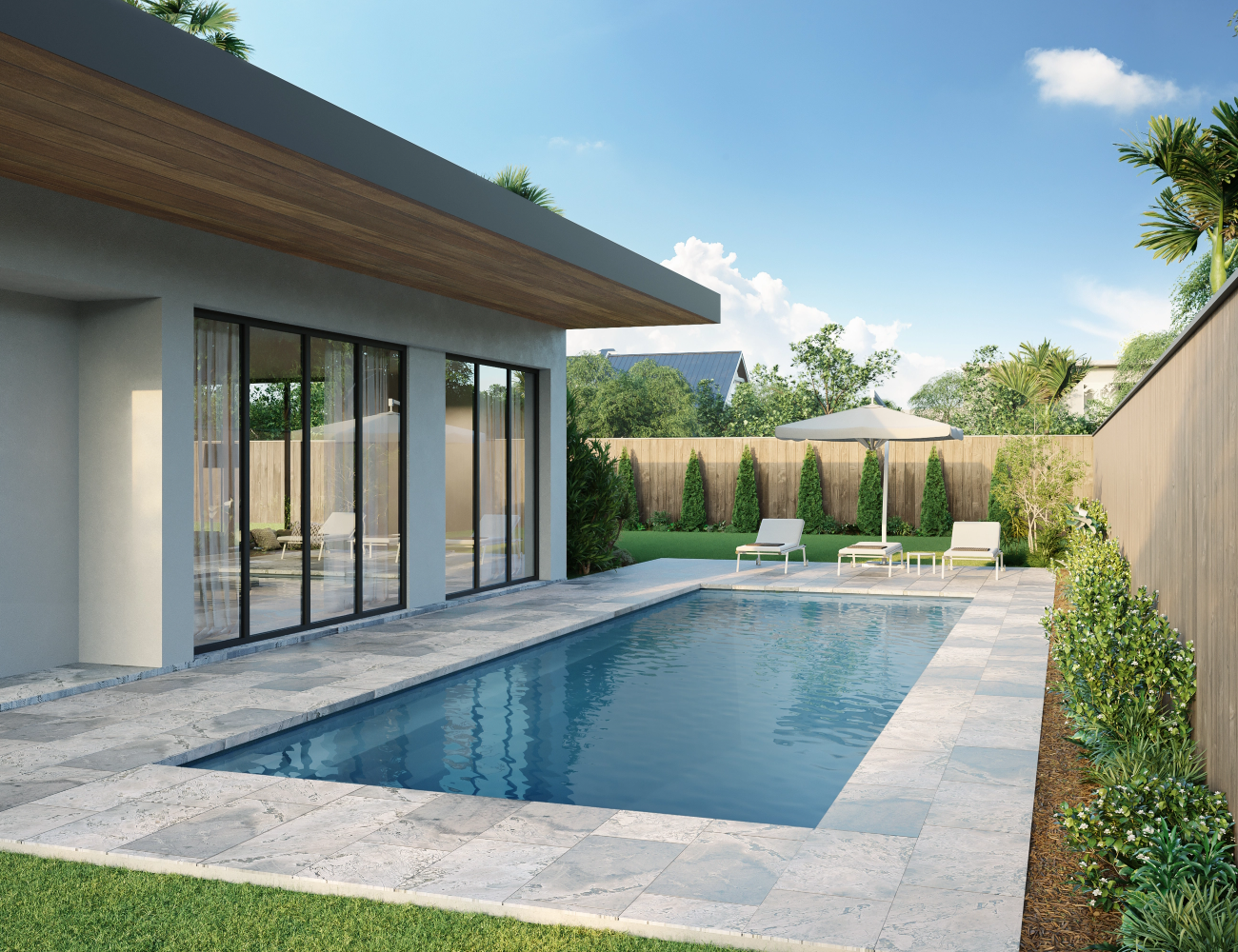
6. Repeat, then add a clarifier
As the algae dies, the water turns from green to cloudy white or grey — a good sign. Keep testing and topping up chlorine to hold a high level until the water clears. A pool clarifier or flocculant helps the filter gather the fine dead-algae particles. Once the water is clear and chlorine settles back to 1–3 ppm, it's safe to swim again.
Cloudy Water vs Green Water
Not every problem is algae. Green water is an active algae bloom and needs shocking. Cloudy or milky water is usually a balance or filtration issue — high pH, high calcium hardness, a dirty filter, or fine particles the filter isn't catching. If your water is cloudy rather than green, check your chemistry and filter first before reaching for shock. Our water chemistry guide explains each level in detail.
How to Stop Your Pool Turning Green Again
Prevention is far easier than a clean-up. Build these habits into your routine:
- Hold free chlorine at 1–3 ppm at all times — never let it hit zero, especially in summer.
- Keep cyanuric acid at 30–50 ppm so the Shoalhaven sun doesn't burn your chlorine off by midday.
- Run the pump long enough to turn the water over daily — 8–12 hours in summer, 4–6 in winter.
- Test at least twice a week in the warm months, and always after heavy rain.
- Brush weekly and shock after storms or a pool party to stay ahead of any bloom.
For the full routine, see our pool maintenance tips for Nowra.
When to Call a Professional
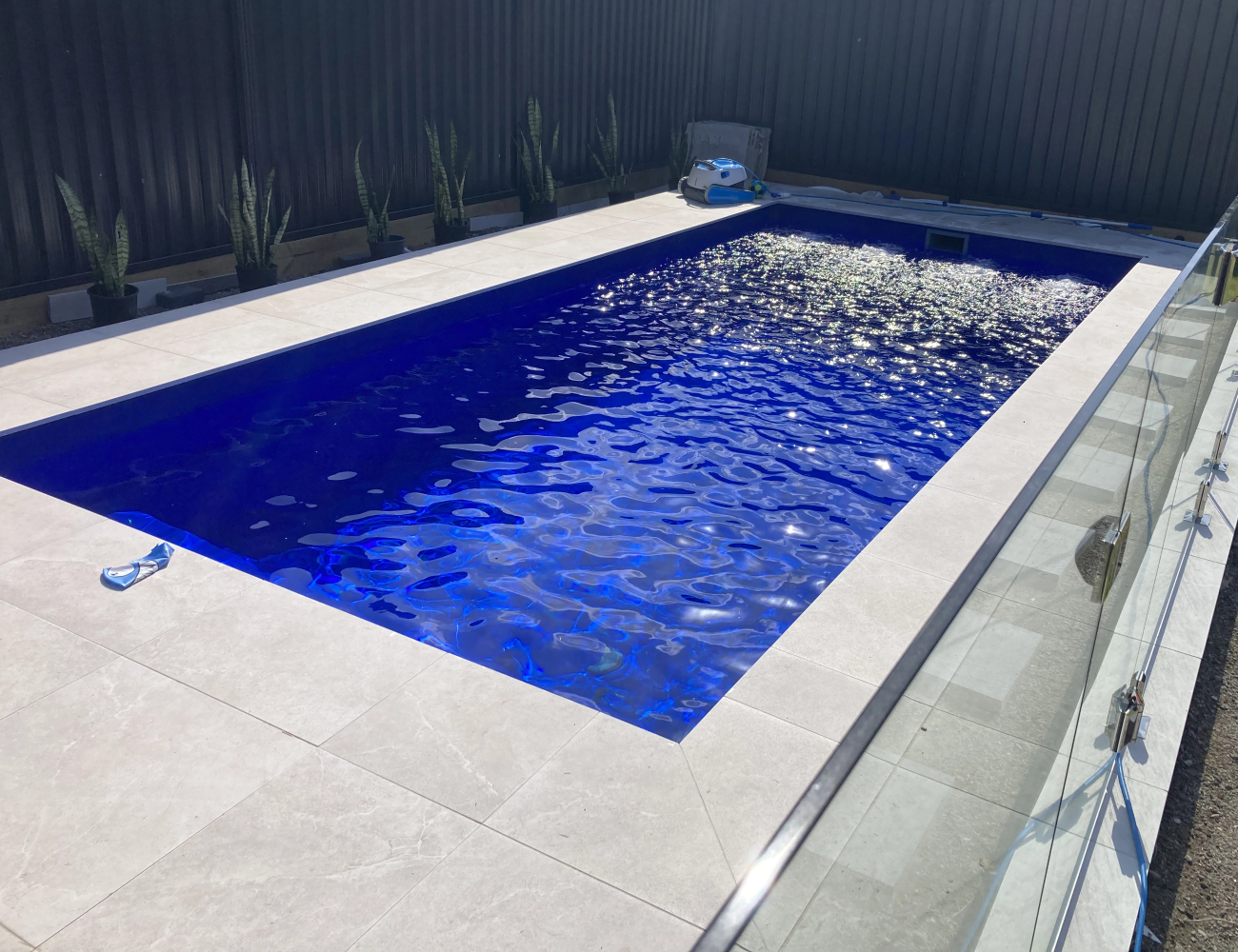
Most green pools can be cleared at home with patience and consistent chlorine. But if the water won't clear after a week of treatment, keeps turning green within days, or you suspect an equipment or circulation fault, it's worth having a qualified pool technician assess your setup. Persistent problems often point to a filter, pump, or balance issue that's best diagnosed in person.
Frequently Asked Questions
Why is my fibreglass pool water green?
Green water is almost always an algae bloom caused by low or no free chlorine, often combined with poor circulation, unbalanced pH, or heavy rain and warm weather. Nowra's hot, humid summers let algae take hold quickly once sanitiser drops, so the green tinge can appear within a day or two.
How long does it take to clear a green pool?
A light green pool often clears within 2 to 5 days once you balance the water, shock it, brush the surfaces, and run the filter continuously. A deep, dark-green or black bloom can take a week or more and may need repeat shocking. Running the pump 24 hours a day during treatment makes the biggest difference.
Can I shock a fibreglass pool?
Yes. Fibreglass pools handle shock treatment well, but always dissolve granular chlorine in a bucket of water first and pour it around the pool with the pump running — never tip undissolved granules onto the gel-coat surface, as concentrated chlorine can bleach or mark it. Brush the pool afterwards to keep the surface clean.
Will algae stain or damage my fibreglass pool?
Fibreglass has a smooth, non-porous gel-coat surface, so algae cannot root into it the way it does in concrete. Algae rarely causes permanent staining if you act quickly, brush affected areas, and restore proper chlorine levels. Leaving a bloom for weeks, however, makes it harder to clear and can leave temporary marks.
How do I stop my pool turning green again?
Keep free chlorine at 1 to 3 ppm at all times, maintain pH 7.2 to 7.6 and cyanuric acid 30 to 50 ppm, run the pump long enough to turn the water over daily, and test at least twice a week in summer. Brush weekly and shock after heavy rain or heavy use. Consistent sanitiser is the single best defence against algae.
Related Reading & Next Steps
Related Articles
Explore Our Services
Want a Pool That's Easier to Keep Clear?
Fibreglass pools resist algae and need fewer chemicals than concrete. Integrity Pools has designed and installed durable, low-maintenance fibreglass pools across Nowra and the Shoalhaven for over 35 years — backed by a lifetime structural warranty and finance through Handypay.